

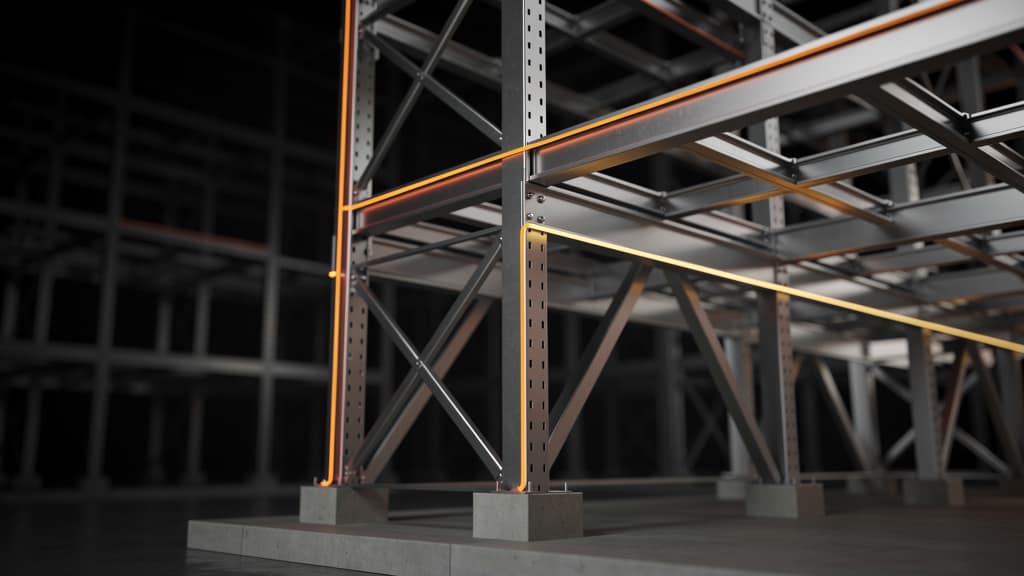
Processes as the skeleton of quality culture.
In a 2016 article, Dr. Stefan Schaaf (Q-FINITY Qualitätsmanagement) sets out why quality culture needs ground to grow on: processes that are understood and written down. Without that skeleton, improvement remains guesswork. With it, the culture gains a supporting structure.
Quality culture grows on processes that are understood.
The article pushes back against a common misconception: quality culture does not come from appeals and mission statements, but from the processes, the ground it grows on. As long as an organization does not know and describe its own workflows, every attempt to improve remains a shot in the dark. The metaphor carries the argument: processes are the skeleton that holds the culture and gives it shape.
The key messages at a glance.
Without a skeleton, nothing stands upright.
The argument builds to a single point: culture, values and good intentions have nothing to stand on as long as they lack structure. The documented, understood and measured process is that structure, the skeleton that carries the quality culture and gives it direction. Organizations that skip the processes and work directly on culture build on sand. Those that know their processes can shape their culture deliberately.
Written from hands-on quality management practice.
Dr. Stefan Schaaf (Q-FINITY Qualitätsmanagement) brings together the management-system and GxP perspectives, an outlook that still shapes QFINITY's work today. His article “Turtles and Quality Culture - Processes as the Skeleton of Quality Culture” appeared on LinkedIn in April 2016. Copyright and the full text remain with the author.
From the thesis to lived practice.
Quality as a lived system.
Together with you, we review whether your processes are described, measured and backed by clear roles. That is the precondition for a quality culture that holds in practice instead of just hanging on the wall. Free initial consultation, about 30 minutes.
Arrange an initial consultation
